


The Long-Term Risks of High Myopia: What Parents Need to Know
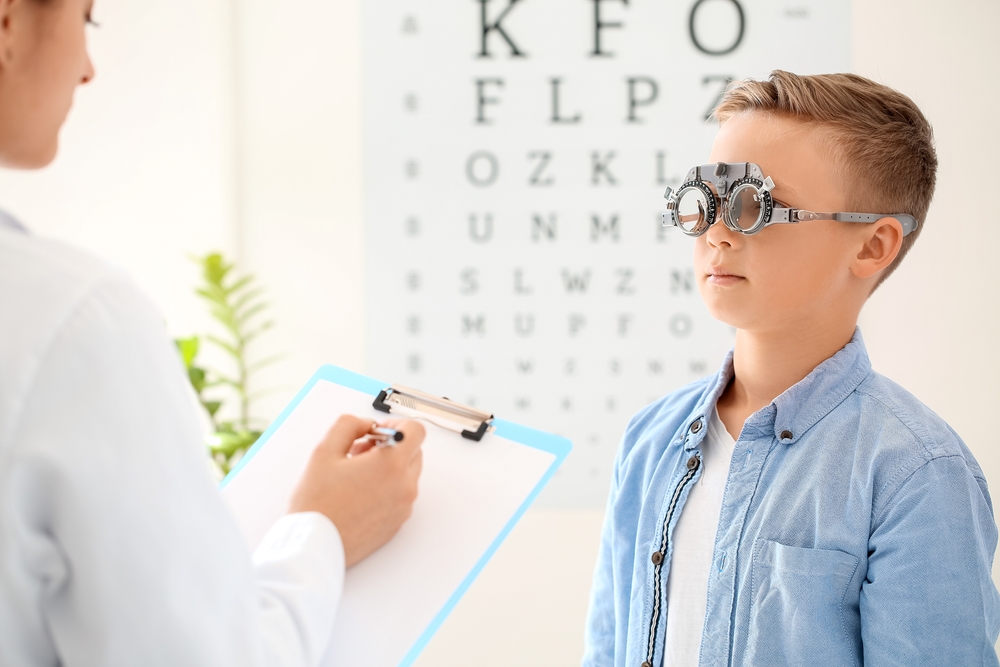
Myopia is becoming increasingly common in children, and in many cases, it progresses year after year. While mild myopia can often be corrected easily with glasses or contact lenses, high myopia is a more serious condition that can increase the risk of long-term eye health complications. At Dr. Wong & Associates, early detection and proactive myopia management are key to protecting your child’s vision.
What Is High Myopia?
Myopia occurs when the eye grows too long from front to back, causing light to focus in front of the retina instead of directly on it. This makes distant objects appear blurry.
High myopia typically refers to a prescription of -6.00 diopters or greater. As the eye elongates, the retina and other internal structures become stretched and more fragile. This structural change is what increases the risk of serious eye conditions later in life.
The Long-Term Risks of High Myopia
High myopia is more than just a stronger glasses prescription. It is associated with an increased likelihood of several sight-threatening conditions:
• Retinal Detachment: As the eye becomes longer, the retina becomes thinner and more vulnerable to tears or detachment. Retinal detachment is a medical emergency that can lead to permanent vision loss if not treated promptly.
• Myopic Macular Degeneration: High myopia can cause progressive damage to the macula, the part of the retina responsible for sharp central vision. Over time, this may lead to irreversible central vision impairment.
• Glaucoma: Children who develop high myopia have a greater lifetime risk of glaucoma, a condition that damages the optic nerve and can result in permanent vision loss if undetected.
• Early Cataracts: Individuals with high myopia are more likely to develop cataracts earlier in adulthood, sometimes decades sooner than those without significant nearsightedness.
These risks underscore why myopia progression should never be ignored.
Why Early Detection Matters
Myopia often begins in elementary school and tends to progress rapidly during growth years. The earlier myopia develops, the higher the likelihood it will progress to high myopia.
Routine pediatric eye exams are critical for detecting myopia early - even before a child complains of blurry vision. Children may not realize their vision is changing, and school screenings often miss early or subtle progression.
Comprehensive eye exams at Dr. Wong & Associates allow us to:
• Measure precise prescription changes
• Evaluate eye growth and axial length
• Assess overall eye health
• Identify risk factors for rapid progression
Early detection gives us the opportunity to intervene before myopia becomes severe.
Myopia Management: Slowing Progression to Protect Long-Term Vision
The goal of myopia management is not just clearer vision - it’s slowing the progression of eye growth to reduce the risk of future complications. Dr. Wong & Associates offers advanced, evidence-based treatment options tailored to your child’s needs.
Essilor Stellest Lenses are specially designed spectacle lenses that correct vision while simultaneously slowing myopia progression. These lenses use highly aspherical lenslet technology to create a specific optical signal that helps control excessive eye elongation. They look like regular glasses, making them an easy and non-invasive option for many children.
Orthokeratology, commonly known as Ortho-K, uses custom-designed gas-permeable contact lenses worn overnight. These lenses gently reshape the cornea while your child sleeps, providing clear daytime vision without glasses or contacts. Beyond daytime freedom from corrective lenses, Ortho-K has been shown to significantly slow myopia progression in many children.
Low-dose atropine eye drops are another effective myopia management tool. Used nightly, these medicated drops help slow the eye’s elongation with minimal side effects. Atropine is often recommended for children experiencing rapid prescription changes and can be used alone or in combination with other treatments.
What Parents Can Do at Home
While clinical treatment plays a major role, lifestyle habits also matter. Encourage:
• At least 1-2 hours of outdoor time daily
• Regular breaks from screens and near work
• Proper reading distance and posture
• Annual pediatric eye exams
Combining healthy habits with professional myopia management offers the strongest protection against high myopia.
Take the Next Step in Protecting Your Child’s Vision
High myopia can have lasting consequences that extend far beyond childhood. While glasses can correct blurry vision, they do not address the underlying eye growth that increases the risk of serious complications later in life. The earlier we begin monitoring and managing myopia, the better we can protect your child’s long-term eye health and visual future.
Schedule a pediatric eye exam at Dr. Wong & Associates to explore personalized myopia management options and safeguard your child’s sight for years to come. Contact our office in Danbury, Connecticut, by calling (203) 748-3937 to book an appointment today.


Contact Info
Hours of Operation
- Monday 8:30 am - 5:30 pm
- Tuesday 8:30 am - 5:30 pm
- Wednesday 8:30 am - 5:30 pm
- Thursday 8:30 am - 5:30 pm
- Friday 8:30 am - 4:30 pm
- Saturday 8:30 am - 1:30 pm
- Sunday Closed
© 2026 Dr. Wong & Associates. All rights Reserved. Accessibility Statement - Privacy Policy - Sitemap
Powered by:
